
ともにつくる、ものづくり

YUMESEI · Made in Japan OEM & private label

How OEM Works
with YUMESEI.

From your first idea to a Made-in-Japan product ready for your market. Explore each decision, development step and production milestone.

ConceptFormulationLaboratorySamplingPackagingManufacturingDocumentationExport
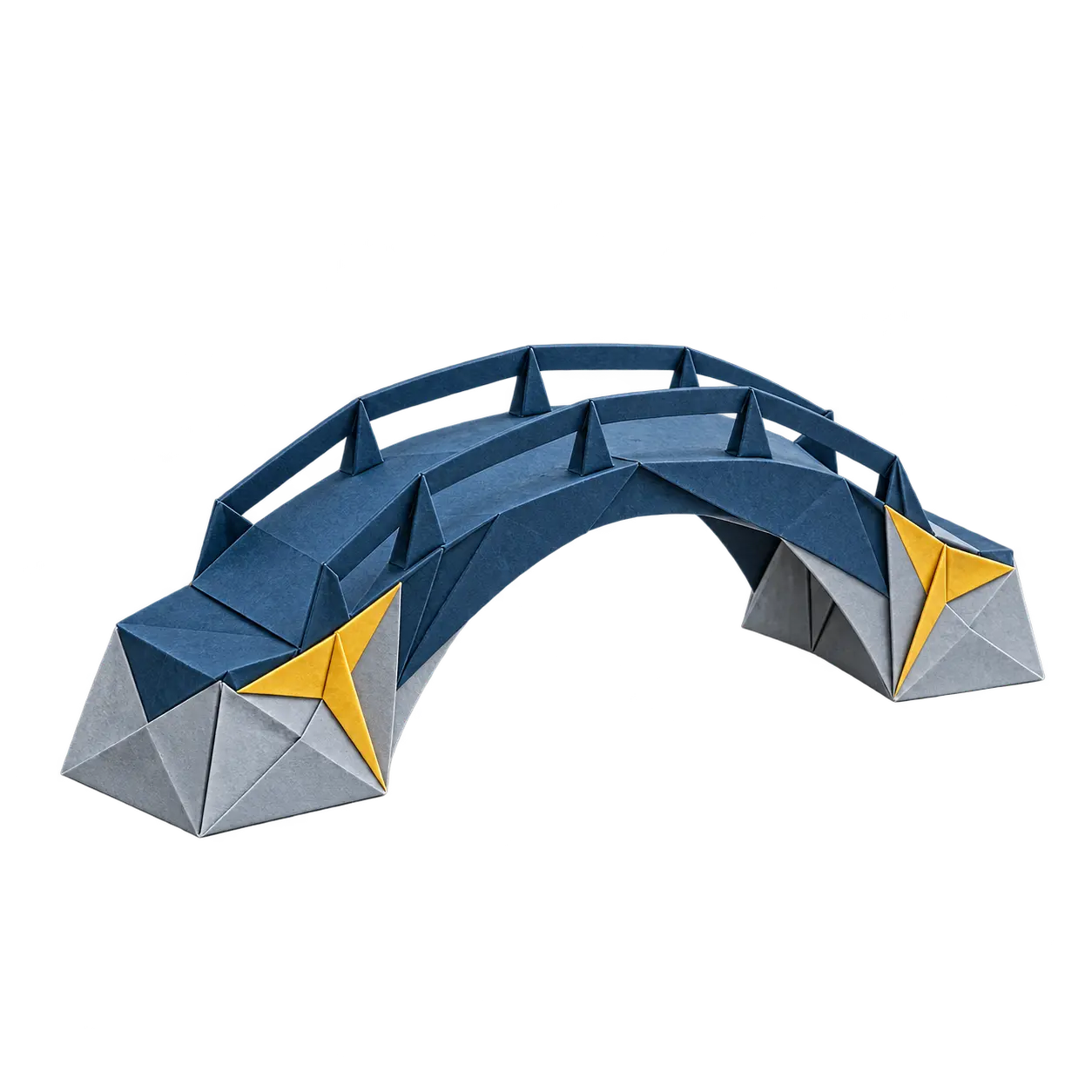
Origami bridge
ゆめをかたちにOrigami / BridgeA bridge from idea to market.

Linked paper folds express our role connecting your brief with Japanese development, manufacturing and delivery.

Your Japan-side partner

One coordinated journey.
Many specialist hands.

A successful brief needs a route through development, approval and production. YUMESEI helps keep those decisions connected, so the sample you evaluate, the specification you approve and the pack you sell belong to the same plan.

We work with specialist manufacturing partners in Japan. The formula, order volume, chosen pack, market and budget help determine which facility and production line fit your project.

Clear specifications. Careful evaluation. Coordinated production.

01—04 — THE CONCEPT

Begin with the product and the market.

You can bring a developed brief or just the beginning of an idea. Together we establish a direction the laboratory and manufacturing team can evaluate.

01

Tell us what you want to create

Begin with the customer you want to reach and the product you have in mind. Our OEM Product Request Sheet (ORS) brings the commercial and technical questions into one brief, even if your idea is still taking shape.

  • The category and product idea
  • Who the product is for
  • Ingredients you would like to include
  • Preferred format and serving size
  • Taste, aroma and texture direction
  • Your packaging concept
  • Expected volume and price target
  • The country where you plan to sell
  • Other market or business requirements
02

Choose your development route

The amount of development work should fit the project. We look at what is already available, what you want to change and the time and budget you can commit.

Faster OEM / private label

Keep a suitable developed recipe and put the work into your label and packaging. This is usually the shortest route because the formulation work is already in place.

Customized formulation

Use a starting recipe but review changes to its composition, taste or other requirements. The laboratory checks the revised product before it proceeds.

Original product development

Develop a recipe around your brief, then evaluate samples and prepare a compatible pack and production route.

03

Build the base formulation

The Base Formulation (BF) is the first complete recipe for evaluation. It includes the ingredients behind your product concept, together with components that help the product taste, mix, keep and manufacture as intended.

Collagen peptides, botanical materials, vitamins or hyaluronic acid may be part of the brief. Their interaction with the rest of the recipe matters: a drink, powder or jelly needs a workable balance of flavour, texture and stability as well as a clear ingredient story.

04

Balance the formula with your target price

A price target is useful before the recipe is settled. The amount and grade of each ingredient, its source and the intended serving all affect cost. We review these choices alongside the customer experience and the market position you want.

  • Brand positioning
  • Consumer expectations
  • Market requirements
  • Quality level
  • Target budget
05—08 — THE LABORATORY

Evaluate, sample and refine.

The proposed product moves through technical review and hands-on sampling. Feedback at this stage shapes the final specification.

05

Japanese laboratory evaluation

Before samples are prepared, the technical team checks whether the proposed recipe and pack can work with the selected manufacturing route. An initial review commonly takes around 1–2 weeks; the scope and materials can change that estimate.

  • Ingredient compatibility
  • Manufacturing feasibility
  • Stability and taste
  • Ingredient availability
  • Packaging compatibility
  • Production-line requirements
  • Applicable manufacturing standards
  • Commercial feasibility

Indicative timingTypical initial evaluation: approximately 1–2 weeks

06

Develop laboratory samples

Laboratory Samples (LS) let you evaluate the proposed product in practice. After the recipe direction and preliminary commercial basis are agreed, the team obtains the necessary materials and prepares samples. Allow roughly 2–4 weeks for this work, depending on the project. Any development charge is put to you for approval in advance.

  • Taste, aroma and sweetness
  • Acidity
  • Texture and consistency
  • Appearance and mixing
  • Technical feasibility

Indicative timingTypical sample development: approximately 2–4 weeks

07

Taste, test and refine

Try the sample in the way your customer would use it. Describe the change you want in clear terms, such as a less sweet finish or a lighter texture, and use measurable feedback where possible. A project may include around 2–3 trial rounds; the agreed scope determines what is included and whether further work needs a new quotation.

08

Approve the product

Your accepted sample becomes the reference for the commercial product specification. We settle the recipe, production conditions, pack requirements and business terms so that manufacturing preparation has a clear basis.

09—11 — THE PRODUCT

Prepare the brand for production.

Packaging, artwork and manufacturing need to work together. We coordinate approvals before materials are printed and the production slot begins.

09

Create your brand and packaging

Your brand direction guides the pack: the audience, visual identity, colours and product story should work together. Packaging support is agreed for the project, and artwork is normally supplied in production formats such as AI and PDF.

10

Confirm artwork and print proof

Print approval is a separate decision from liking the design. The artwork needs technical checks and corrections, followed by your sign-off. A suitable colour, material or physical proof may be used for the selected pack. Once the print run starts, a change can mean extra cost or waiting for another run.

  • Proofread the text and numerical details
  • Check the required label information and proposed claims
  • Verify the barcode information
  • Review the colour and layout proof
  • Sign off the production artwork

Indicative timingCustomized packaging mass printing may take approximately 4 weeks

11

Made-in-Japan mass manufacturing

The production estimate starts once the required materials and manufacturing conditions are in place. A first run commonly needs around 4–8 weeks from that point. More involved projects can need about 12 weeks or longer; the facility confirms the schedule for your order.

  • Product complexity
  • Ingredient availability
  • Packaging production
  • Factory and line schedule
  • Testing and quality requirements
  • Order quantity
  • Seasonal manufacturing demand

Indicative timingTypical first production: approximately 4–8 weeks after requirements are ready; complex projects can take longer

12 — THE MARKET

Document, ship and launch.

We support the Japan-side steps for an international launch while your importing team confirms the destination-country requirements.

12

Documentation, export and international logistics

We help coordinate the documents and shipment preparations handled in Japan. The agreed commercial arrangement sets the responsibilities for delivery; possible terms include FOB, C&F/CFR or CIF.

Your importing team checks the destination market before the product goes into commercial production. This includes product classification, any registration, label details, allowed claims and entry requirements. A food-category route may be appropriate, but it depends on the complete formula and the country's rules.

UNDERSTANDING THE SCHEDULE

Why Japanese OEM takes time

The production line is only one part of the work.

The visible manufacturing run may be short, while the preparation takes much longer. Ingredients must arrive, packaging must be ready and checks must be completed around the factory's production plan. Inspection, documents and delivery preparation are also part of the work.

Safety Check that the recipe and production route meet the applicable requirements.

Quality Work from agreed specifications for the materials, process, pack and finished product.

Efficiency Plan the run around those requirements and the resources available.

Tell us early if a launch date is fixed. Material lead times, seasonal demand and other factory bookings all influence the available slot. The estimates on this page are planning guides; your project needs its own confirmed schedule.

COMMON OEM QUESTIONS

Useful answers before you begin

Bring your questions.
We will map the practical route.

Details depend on the format, manufacturer, market and volume. These answers are starting points for a project discussion.

01Can I send a reference product?

Yes—use it to show the qualities you like, such as mouthfeel, flavour or pack format. The technical team develops a product for your own brief, respecting other companies' intellectual property. Materials, manufacturing methods and market rules also limit what can be achieved.

02Can I supply my own ingredient?

Ask us about the material first. A facility may accept one or two key ingredients after reviewing their specification, sample and Certificate of Analysis (CoA), along with compatibility and quality. Using its established suppliers for the rest of the recipe is usually more practical.

03Can I arrange my own packaging?

Discuss the proposed pack with us before ordering it. The factory needs to assess how it will fill and handle the pack, including material, temperature and hygiene needs. Whether an externally produced pack can be used depends on that review.

04How can I reduce OEM cost?

Start by comparing an established production format with the custom features your brand needs. Extra manual operations tend to raise costs. Automation and an appropriate order volume may improve the economics, while leaving room for useful differentiation.

05Can I purchase more packaging than my first order needs?

You can discuss a larger print order for later production. It may lower the price per pack, but we also need to check warehouse space, storage duration and any charges before agreeing to keep the unused materials.

YOUR FIRST ORDER & YOUR NEXT

Build the foundation

Start simple.
Grow your brand.

The first project establishes the working recipe, approved sample, pack artwork, material supply and production documents. Later orders can use that foundation. If you can share reliable demand forecasts, we can discuss planning materials for future runs.

A developed recipe can be a useful first launch, giving you time to learn how customers respond before commissioning further changes. Brands with a detailed brief can explore more original development from the outset. The right choice depends on the work, budget and timing involved.

Your next order should build on what we learn together from the first.

One partner · multiple Japanese manufacturing possibilities

The right route for your product.

We work with specialized partners and production lines in Japan, selecting the approach that fits each category.

  • Beauty & collagen supplements
  • Healthcare & wellness products
  • Japanese Kampo-inspired supplements
  • Functional drinks
  • Powders & powder sticks
  • Tablets & capsules
  • Jelly supplements
  • Creams, masks & beauty products
  • Additional health and beauty formats made in Japan

Your brand · Japanese manufacturing

What would you like to create?

Tell us the product concept, destination country, desired format, approximate quantity, target price and launch timing. We will help identify a practical development route.

Start an OEM conversation